Tocar el color. La renovación del pastelExhibition in Barcelona
End: 5 - I - 2020 |
|
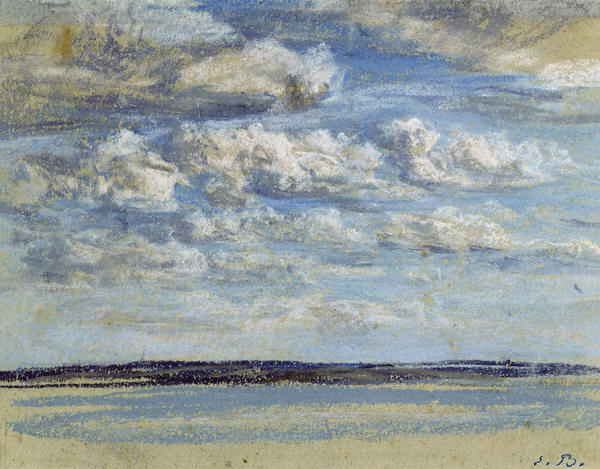
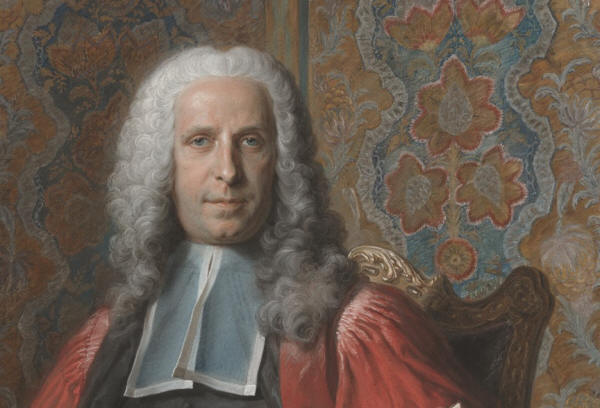
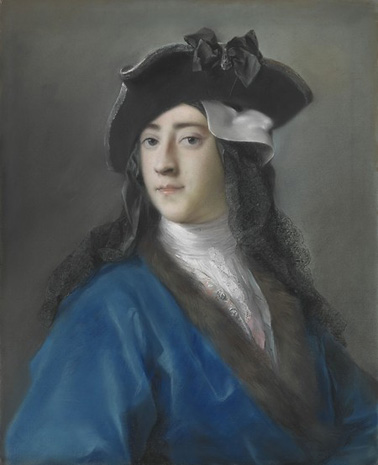
The technique of Pastel.
Pastel is a painting technique with more than five centuries of
history... although some argue that technique employed by artists of
Altamira or
Used in its infancy as auxiliary material for colour drawings, Pastel
soon acquired popularity as a medium in itself and pastel painting
techniques were developed. Pastel enjoyed a boom of popularity and some
countries at various times (think of the French eighteenth century, which
was the pastel so appreciated as oil or even preferred for portraits).
During those five centuries, many painters chose the pastel technique to
develop their art, sometimes exclusively, sometimes together with other
techniques.
What makes up Pastels? We can almost say that Pastel is synonymous
with pigment. Without pigment
there
is no color. Pigments are what gives color to any material with which to
paint. Pastel contains the highest amount of pigment of all mediums.
The main
false myths about
Pastel: it is not very resistant to the light. All painting suffers the
effect of direct light. That is a fact: all pigment has limited resistance
to exposure to sunlight. Accepting that premise, let's apply logic: the
greater resistance to light is that material that contains higher proportion
of pigment: the Pastel.
On the other hand the Pastel is almost devoid of organic substances
(oils) used in the oil to make oil pigment. These organic substances,
because of their chemical nature, undergo oxidation processes that over the
years blacken and alter the appearance of the paintings. A pastel painting,
being free of those blackening process is preserved with its fresh look and
remain unaltered one hundred, two hundred, three hundred years after being
painted.
One condition: A Pastel painting should be protected by glass. Like
watercolor, drawing, engraving ... in general, any work whose support is
paper or cardboard. That is not any disadvantage in the long run, quite the
opposite: preventing the accumulation of dust and dirt environment.
There are soft pastels in a range of hardness that ranges from some
extremely soft pastels to the bars of hard pastel. Some Pastels are even
sold in powder form. Each has its qualities and possibilities: some are more
opaque, allowing blending by hand or with the help of some material, others
by their greater hardness can draw better lines, contours.
Pastel is usually applied on specially prepared paper, in fact
anything that has enough consistency and a certain level of roughness can be
used to paint (wood, cloth, cardboard, surfaces prepared with different
primers ... ).
It is the combination of the different textures of the supports with
the qualities of each type of Pastel that gives the pastel painting an
infinite variety of expressive possibilities.